


Turning Soot Blowing into EUR 2 Million in Annual Value
Turning Soot Blowing into EUR 2 Million in Annual Value
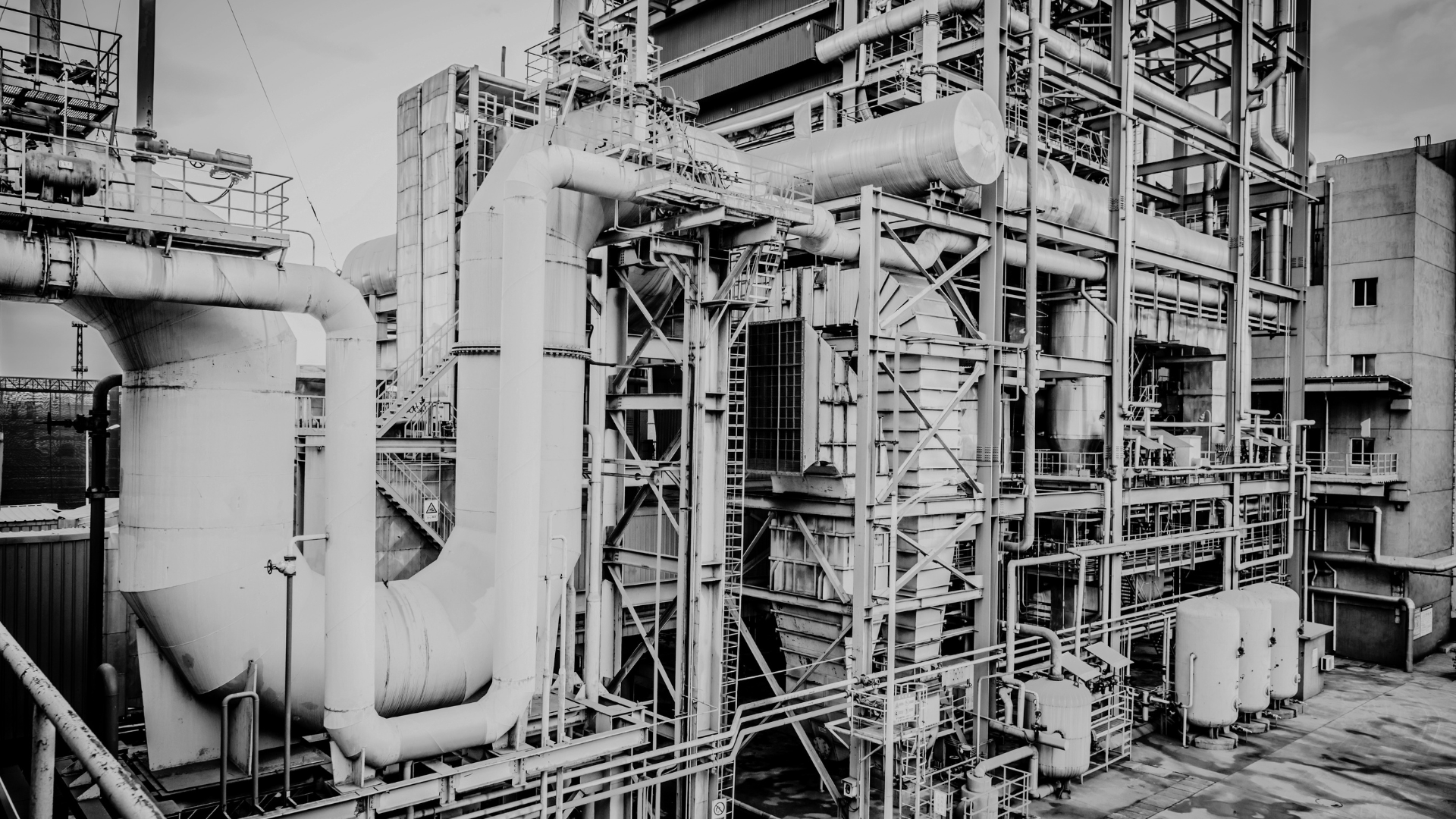
6.4% More Net Steam. EUR 2 Million Annual Value. Still Delivering Results Two Years Later.
The recovery boiler at a large European pulp mill was gradually losing performance due to fouling and ineffective sootblowing practices. The existing soot blowing strategy relied largely on fixed schedules and operator intervention, resulting in uneven cleaning, declining heat-transfer efficiency, higher operating costs, and lost steam production.
The mill required a solution that could improve boiler performance without introducing additional equipment, instrumentation, or major capital expenditure.
Anssum implemented its Beyond Intelligent SootBlowing (BISB) solution within the existing control environment. By dynamically optimising soot-blowing activity based on real-time boiler conditions, the system increased net steam production by 6.4%, reduced soot-blowing steam consumption by 3.5%, lowered flue gas temperatures by 11°C, and generated approximately EUR 2 million in annual value. More importantly, these benefits remain evident more than two years after implementation.
Recovery Boiler Performance at a Large European Pulp Mill
The facility operates a large integrated pulp mill where the recovery boiler plays a central role in both chemical recovery and energy generation.
Recovery boiler performance directly influences steam production, energy efficiency, and mill operating costs. Even relatively small improvements in heat-transfer efficiency translate into substantial financial benefits across the wider operation.
Maintaining clean heat transfer surfaces is therefore critical to achieving reliable and efficient boiler operation.
Traditional Soot Blowing Was Limiting Boiler Performance
The recovery boiler relied on a conventional soot-blowing strategy that could not dynamically respond to changing operating conditions.
This resulted in:
- Uneven cleaning across boiler sections.
- Declining heat transfer efficiency between cleaning cycles.
- Variability in superheater performance.
- Excessive soot blowing steam consumption.
- Reduced steam generation.
- Increased operating costs.
- Greater maintenance requirements.
- Loss of energy recovery potential.
The existing strategy treated all operating conditions similarly, despite fouling rates changing continuously as production conditions evolved.
As a result, soot blowing was carried out in the wrong place, at the wrong time.
Intelligent Soot Blowing Based on Boiler Conditions
Rather than recommending additional equipment or instrumentation, Anssum focused on improving how the existing boiler was operated.
Anssum's BISB solution includes:
- Dynamic optimisation of soot blowing intensity and frequency.
- Real-time monitoring of fouling and heat transfer performance.
- Physics-enhanced machine learning models for accurate predictions.
- Automated adaptation to changing operating conditions.
- Integration into the existing DCS environment.
- Open and transparent implementation without proprietary black-box dependencies.
The objective is to maximise heat transfer efficiency while minimising the steam and maintenance costs associated with soot blowing.


Implementation Process
Understanding Boiler Performance
- Analysis of historical boiler performance and soot-blowing behaviour.
- Evaluation of heat-transfer efficiency across boiler sections.
- Identification of areas with excessive fouling and inefficient cleaning.
- Quantification of the operational impact of lost heat transfer and excessive soot-blowing steam use.
Developing the Optimisation Strategy
- Collaboration with boiler specialists, engineers, and operators.
- Incorporation of operational experience into the optimisation approach.
- Definition of performance targets and operating constraints.
- Development of a strategy tailored to the specific recovery boiler.
Implementing Within the Existing Control Environment
- Integration of BISB directly into the existing DCS.
- Use of existing process measurements and instrumentation.
- Automation of soot-blowing optimisation decisions.
- Replacement of fixed schedules and manual adjustments with condition-based control.
Commissioning and Optimisation
- Commissioning of the solution alongside plant personnel.
- Validation of fouling predictions and cleaning effectiveness.
- Optimisation of cleaning strategies across different operating conditions.
- Verification of improvements in heat transfer, steam production, and energy use.
Sustainability and Transfer of Ownership
- Training of operators and technical personnel.
- Integration of the solution into normal operating practices.
- Establishment of ongoing performance monitoring.
- Transfer of long-term ownership to the mill team.
Higher Steam Production with Lower Cleaning Costs
Anssum's BISB solution delivered significant improvements in recovery boiler performance.
Key outcomes include:
- 3.5% reduction in soot blowing steam consumption.
- 2.5% increase in gross steam production.
- 11°C reduction in flue gas temperature.
- 6.4% increase in net steam production.
- Improved heat transfer efficiency throughout the boiler.
- Reduced fouling-related performance losses.
- More consistent boiler operation.
Business Impact
- Annual business value of approximately EUR 2 million.
- Increased energy recovery from existing fuel input.
- Reduced operating costs associated with soot blowing.
- Improved recovery boiler efficiency.
- Reduced maintenance burden associated with fouling.
- No plant modifications required.
- No additional instrumentation required.
Perhaps the most significant result is that the value has proven sustainable. More than two years after implementation, the performance improvements remain evident, demonstrating that long-term gains can be achieved through optimisation rather than capital investment.

